
What Is a Payment Gateway and How It Works?
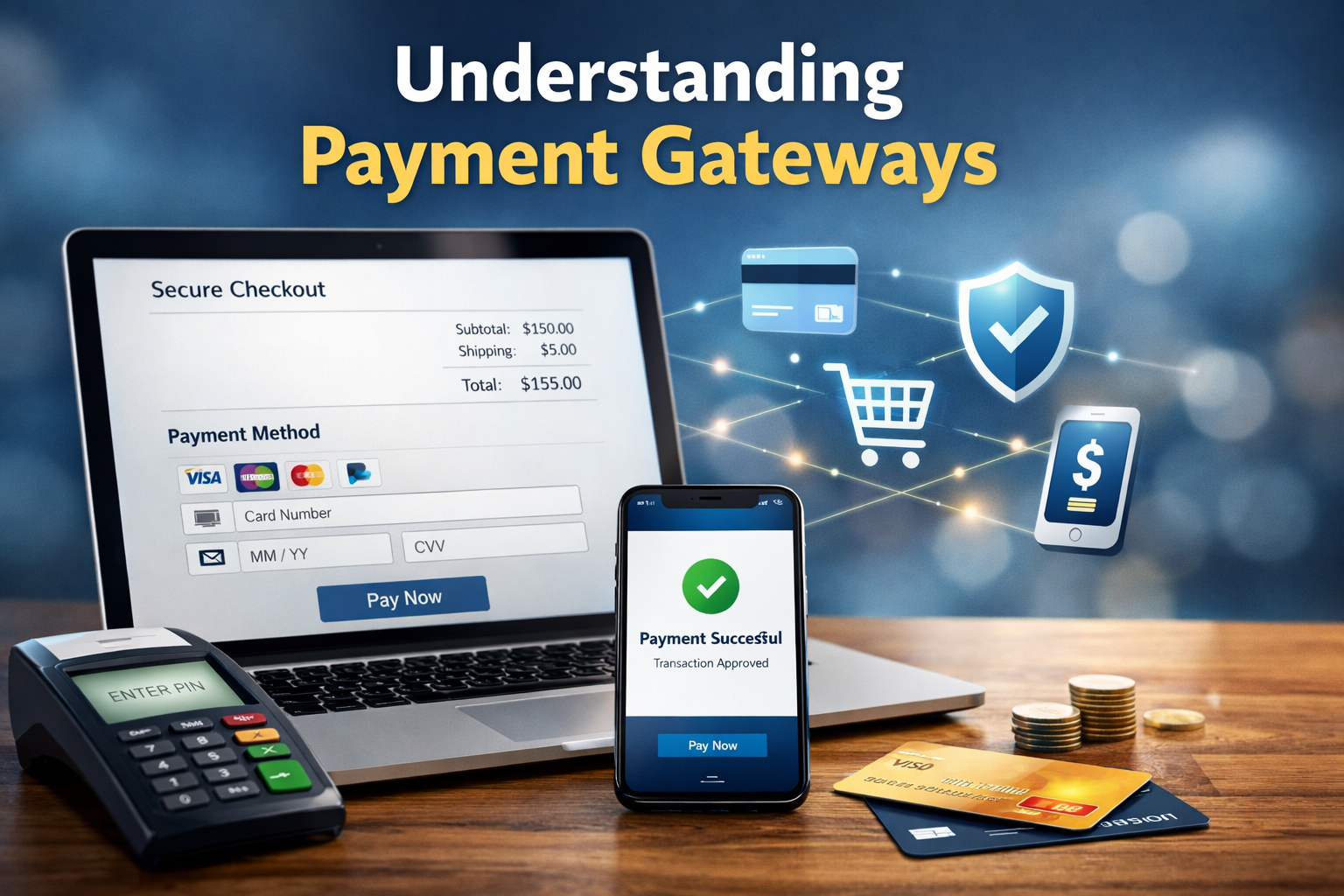
Online payments are now a core part of freelancing and small businesses. Whether you are accepting payments from clients in India or internationally, you are likely using a payment gateway. But what exactly is a payment gateway, and how does it work behind the scenes?
Understanding how payment gateways function helps freelancers make smarter decisions about fees, settlement time, and security.
What Is a Payment Gateway?
A payment gateway is a technology that securely processes online payments between a customer and a business. It acts as a bridge between your website (or payment link) and the bank, ensuring that payment information is encrypted, verified, and authorized.
In simple terms, a payment gateway helps transfer money from your client’s account to your business account safely.
For freelancers, this usually means accepting payments through platforms that support cards, UPI, net banking, or international transfers.
How a Payment Gateway Works (Step-by-Step)
Here’s what happens when a client makes a payment:
- The client enters payment details (card, UPI, etc.).
- The payment gateway encrypts the data for security.
- The information is sent to the acquiring bank.
- The bank communicates with the customer’s bank to verify funds.
- The transaction is approved or declined.
- The payment is settled into your account based on the settlement cycle (T+1, T+2, etc.).
- This entire process happens within seconds.
Key Components of a Payment System
To understand payment gateways better, you should know these key components:
- Customer (payer)
- Merchant (you, the freelancer or business)
- Payment gateway
- Acquiring bank
- Issuing bank
Each plays a role in verifying and transferring funds securely.
Fees Involved in Payment Gateways
Payment gateways are not free. They usually charge:
- Transaction fees (percentage of each payment)
- Fixed platform fees
- Currency conversion charges (for international payments)
- Settlement or withdrawal fees
Even small percentage fees can significantly impact long-term profits, especially for freelancers handling multiple transactions monthly.
Why Freelancers Need a Payment Gateway?
Freelancers benefit from payment gateways because they:
- Enable secure online payments
- Support multiple payment methods
- Simplify international transactions
- Provide payment tracking and reports
- Reduce manual invoicing friction
Choosing the right payment gateway depends on your client base, transaction volume, and international exposure.
Common Mistakes Freelancers Make
Many freelancers:
- Ignore transaction fees
- Don’t understand settlement timelines
- Use unsuitable gateways for international clients
- Fail to compare alternatives
Understanding the system first helps avoid unnecessary losses.
Conclusion
A payment gateway is more than just a payment tool, it is the backbone of online transactions. By understanding how it works, the fees involved, and the settlement process, freelancers can make informed financial decisions and protect their income. Before choosing a gateway, always compare costs, settlement speed, and supported payment methods.